
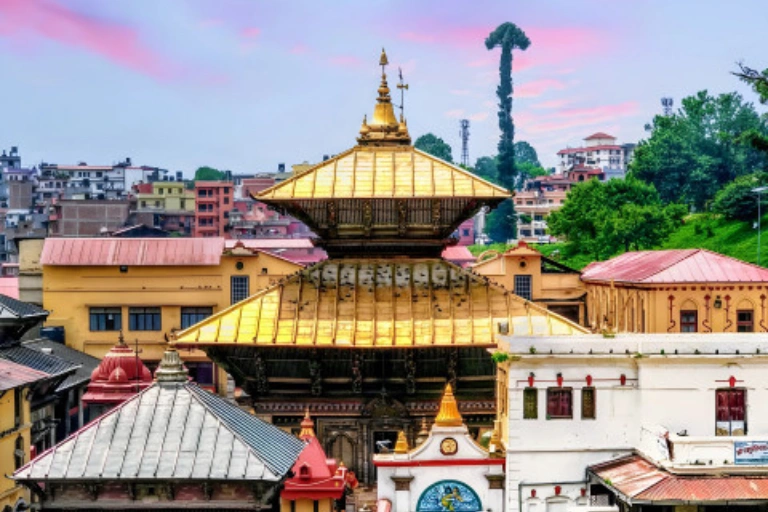
A Guide to Its UNESCO World Heritage Sites
Nepal is celebrated for its soaring Himalayas, but its cultural heart lies within the Kathmandu Valley—a region where centuries-old traditions, ancient craftsmanship, and vibrant spiritual life converge. Recognized by UNESCO as a single World Heritage Property, the valley contains seven Monument Zones that together represent one of the richest cultural landscapes in South Asia.
Rather than individual UNESCO sites, these seven zones collectively form one unified heritage listing. Each zone showcases a unique facet of Nepal’s artistic, religious, and architectural heritage, making the Kathmandu Valley an essential destination for any traveler seeking to understand the country’s cultural soul.
Kathmandu Durbar Square (Hanuman Dhoka)
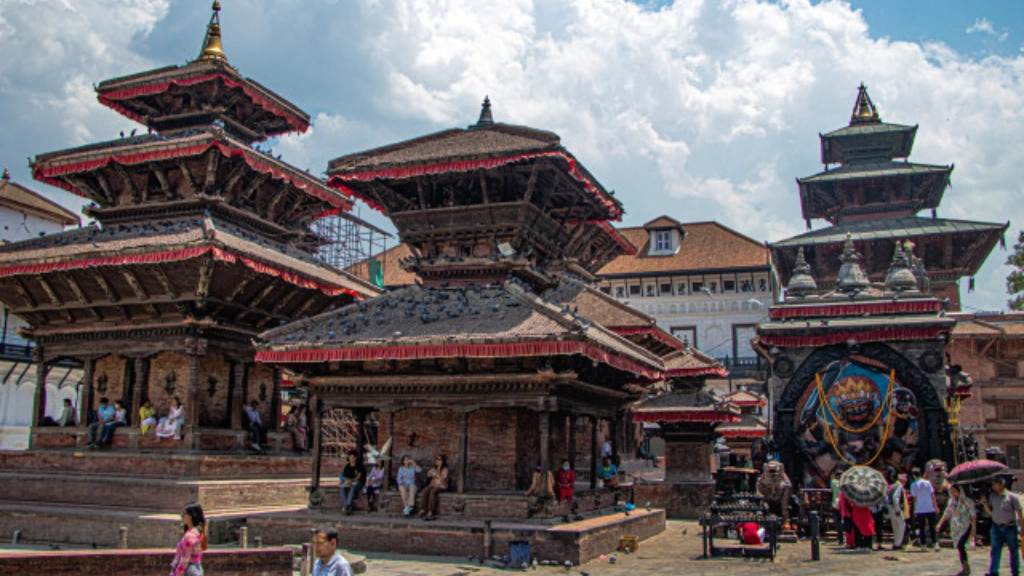
Once the royal seat of the Malla and Shah dynasties, Kathmandu Durbar Square is a remarkable showcase of traditional Newar architecture. The area is filled with intricately carved wooden buildings, historical courtyards, and temples that date back centuries. Although some structures were damaged in the 2015 earthquake, ongoing restoration efforts continue to revive its historic grandeur. The square remains a vibrant cultural hub and a living testament to Nepal’s royal past.
Patan Durbar Square
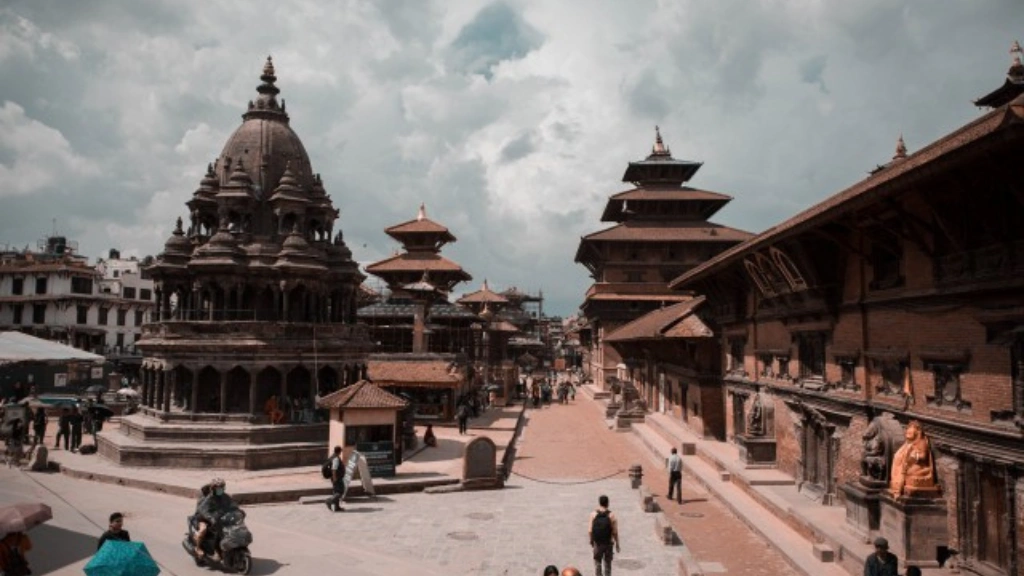
Located in Lalitpur (Patan), this square is renowned for its artistry and craftsmanship. Patan has long been a center of fine metalwork and stone carving, and its royal square is adorned with exquisite sculptures, temples, and shrines. The Krishna Mandir, a landmark built entirely of stone in the 17th century, exemplifies the city’s architectural brilliance. Patan Durbar Square highlights the refined artistic heritage of the valley’s Newar civilization.
Bhaktapur Durbar Square
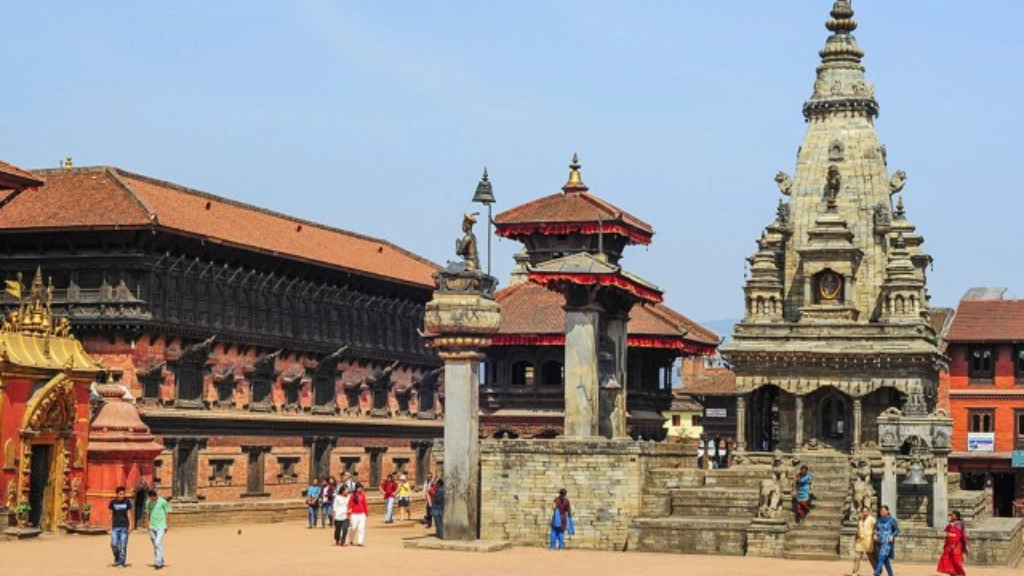
Bhaktapur, known as the “City of Devotees,” preserves the most intact medieval atmosphere among the valley’s three ancient city-states. Its Durbar Square features elegant brick structures, traditional pagoda temples, and the famous 55-Window Palace. Artisan workshops, terracotta artwork, and cultural festivals fill the area with life. Bhaktapur’s architecture and urban layout offer an immersive glimpse into Nepal’s pre-modern era.
Swayambhunath Stupa
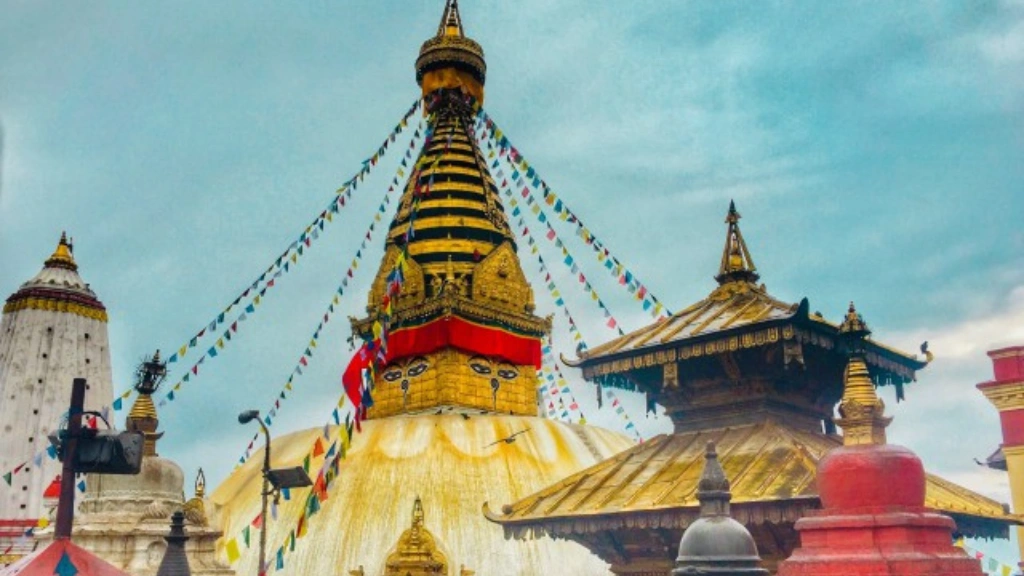
Swayambhunath-often called the “Monkey Temple”-is one of Nepal’s oldest and most sacred Buddhist stupas. Perched atop a hill overlooking Kathmandu, it is instantly recognizable by the iconic Buddha eyes painted on its gilded spire. Pilgrims and visitors ascend the stone steps, turning prayer wheels and taking in sweeping views of the valley below. Swayambhunath is a symbol of harmony between Hindu and Buddhist traditions, which coexist throughout Nepal.
Boudhanath Stupa
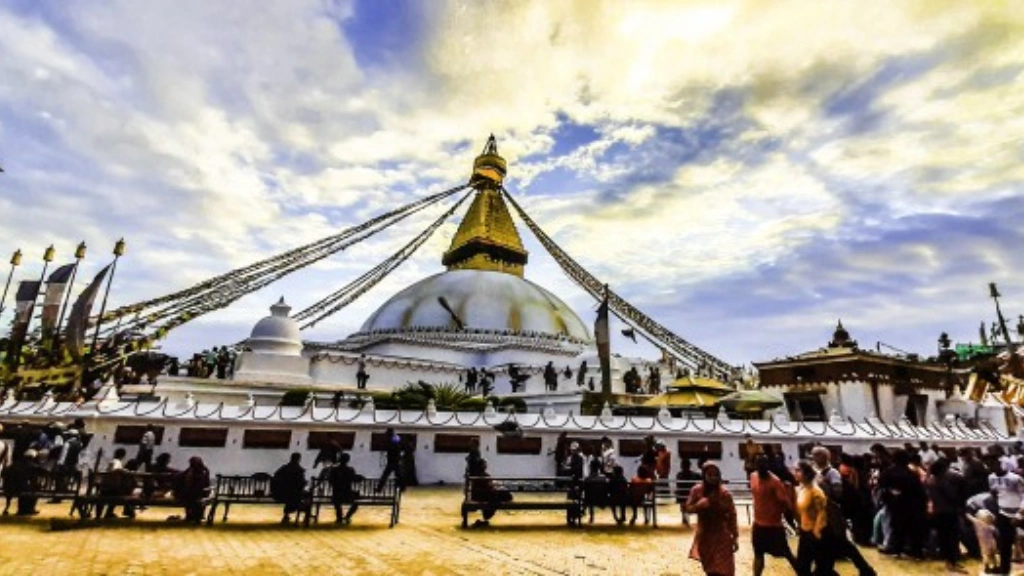
Boudhanath stands among the largest spherical stupas in the world and serves as the heart of Tibetan Buddhism in Nepal. Surrounded by monasteries and fluttering prayer flags, it is a place of continuous devotion where monks, pilgrims, and visitors circumambulate the stupa throughout the day. At dusk, butter lamps illuminate the entire plaza, creating one of the most serene and spiritual atmospheres in the valley.
Pashupatinath Temple
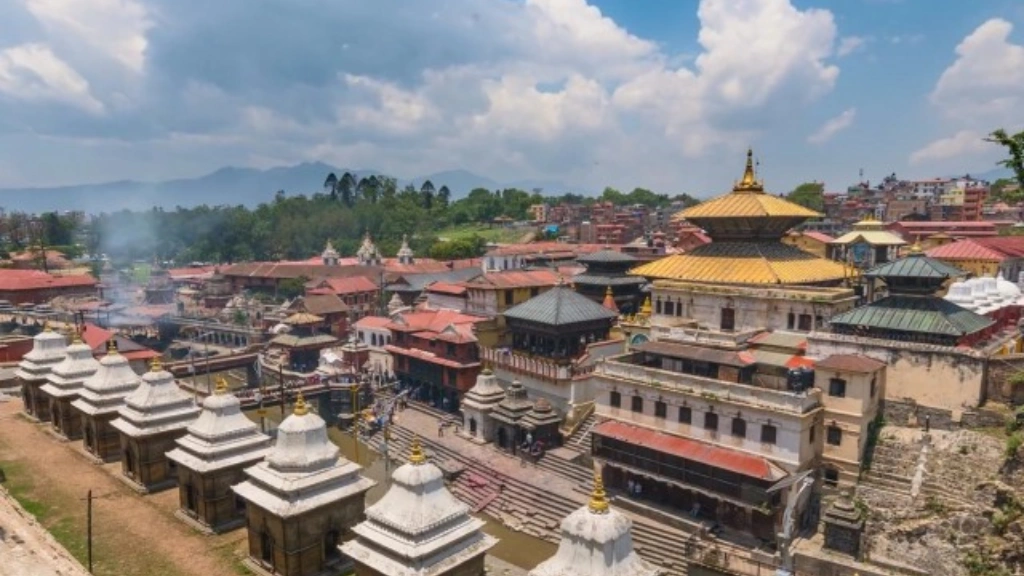
Situated on the banks of the sacred Bagmati River, Pashupatinath is Nepal’s most important Hindu temple, dedicated to Lord Shiva. The temple complex includes numerous shrines, ashrams, and ghats where traditional cremation ceremonies take place. As a living religious site, Pashupatinath offers deep insight into Hindu beliefs, rituals, and the spiritual rhythms of daily life in Nepal.
Changu Narayan Temple
Changu Narayan, located northeast of Bhaktapur, is the oldest known temple in Nepal, with origins dating back to the 4th century. The complex features some of the country’s earliest inscriptions and masterful stone carvings depicting Vishnu and other deities. Nestled among quiet villages and terraced fields, Changu Narayan beautifully blends archaeology, history, and rural life.
The Kathmandu Valley UNESCO World Heritage Property is more than a collection of monuments-it is a living cultural landscape shaped by centuries of creativity, faith, and community. Each of its seven Monument Zones offers a unique encounter with Nepal’s heritage, from grand royal squares to sacred temples and ancient stupas.
For travelers seeking to experience the essence of Nepal, exploring the Kathmandu Valley is an opportunity to journey through time and witness the enduring spirit of one of the world’s most remarkable cultural regions.


