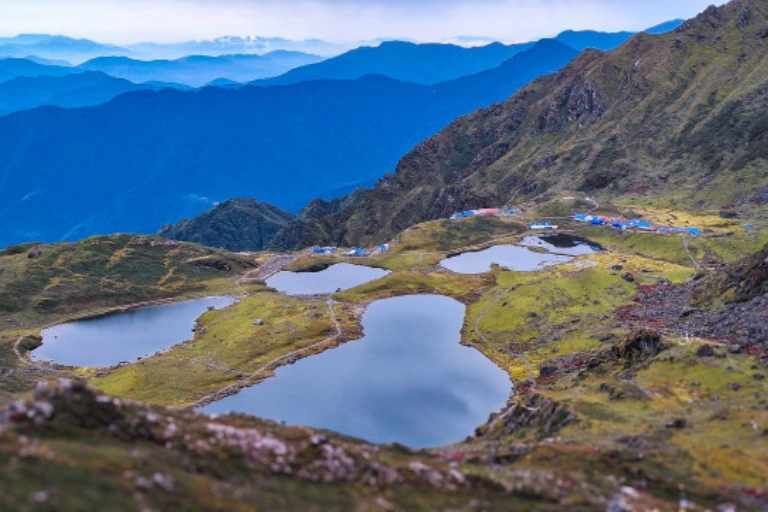

Nepal, positioned between the lowland jungles of the Terai and the ice-bound summits of the Himalaya, is one of the world’s most remarkable biodiversity hotspots. Its dramatic range of ecosystems supports an exceptional variety of rare and endangered wildlife. Some of Nepal’s most notable rare animals and their current conservation realities are as such:
Bengal Tiger (Panthera tigris tigris)
Nepal is one of the key strongholds of the Bengal tiger, hosting populations across protected areas such as Chitwan, Bardiya, Banke, Shuklaphanta, and Parsa National Parks. Intensive conservation strategies—including habitat restoration, anti-poaching patrols, and community involvement—have helped tiger numbers increase significantly over the past decade. Although still endangered globally, Nepal is considered one of the world’s tiger conservation success stories.
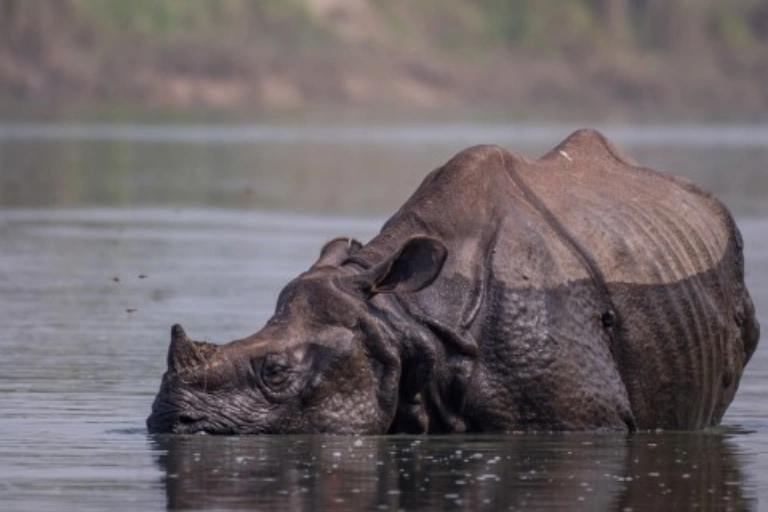
Greater One-Horned Rhinoceros (Rhinoceros unicornis)
The greater one-horned rhinoceros is one of Nepal’s most iconic species. Once on the verge of extinction, Nepal’s rhino population has recovered thanks to decades of strict protection. Today, around 752 rhinos live primarily in Chitwan National Park, with smaller populations in Bardiya and Shuklaphanta. Despite ongoing threats such as habitat loss and flooding, these animals represent one of Nepal’s greatest conservation achievements.
Red Panda (Ailurus fulgens)
Living in the cool, lush temperate forests of eastern and central Nepal, the enchanting red panda is one of the country’s most delightful wildlife treasures. With its soft reddish coat, expressive face, and graceful movements among bamboo branches, spotting a red panda is a dream for nature-loving travelers. These peaceful, tree-dwelling animals add a magical charm to Nepal’s highland forests, making any visit to their habitat an unforgettable experience.
Snow Leopard (Panthera uncia)
Often referred to as the ghost of the mountains, the snow leopard lives in high Himalayan regions such as Dolpa, Mustang, Manang, and the Khumbu area. Perfectly adapted to rocky alpine terrain, it is an apex predator of the high Himalaya. Although still vulnerable and threatened by habitat loss and conflict with livestock herders, Nepal has become a leader in snow-leopard conservation through community partnerships and habitat monitoring.
Himalayan Musk Deer (Moschus leucogaster)
The Himalayan (white-bellied) musk deer is found in Nepal’s subalpine and alpine forests. It is listed as Endangered, largely due to illegal hunting of males for musk glands used in traditional perfumery. These solitary, shy animals are key components of high-mountain ecosystems. Because musk deer taxonomy is complex and multiple species overlap in the region, exact population figures remain uncertain, but protection efforts are ongoing.
Gharial (Gavialis gangeticus)
The gharial is one of the world’s most endangered crocodilians and Nepal’s Rapti and Narayani Rivers offer visitors the rare opportunity to see the spectacular gharial—an elegant crocodilian known for its long, slender snout and serene presence along riverbanks. Chitwan’s conservation centers allow travelers to observe young gharials up close, learning about their fascinating biology and the successful efforts to boost their numbers. For wildlife enthusiasts, watching these unique reptiles bask in the sun or glide through clear river waters is a highlight of any safari adventure.
Blackbuck (Antilope cervicapra)
Nepal’s Blackbuck Conservation Area in Bardiya offers a rare chance to see one of Asia’s most graceful antelopes, now limited to this carefully protected haven. Once widespread across the Terai, the elegant blackbuck—with its spiraled horns and striking coat—roams the open grasslands, creating a peaceful and photogenic wildlife experience supported by dedicated conservation efforts.
Spiny Babbler (Turdoides nipalensis)
The spiny babbler holds a unique place in Nepal’s natural heritage, as it is the only bird species found exclusively in Nepal. Despite being globally listed as “Least Concern,” it is rarely seen due to its preference for dense scrub and mid-hill forests. Its limited range and habitat pressures make it a species of national significance and a symbol of Nepal’s ecological uniqueness. Encountering this endemic bird in the wild is a special moment that enriches any trekking or birdwatching journey in the hills.
Nepal’s rare animals—from the iconic tiger and rhino of the Terai to the snow leopard of the high Himalaya—illustrate the country’s extraordinary ecological variety. While Nepal has made remarkable progress in wildlife conservation, many species remain endangered or vulnerable. Continued community engagement, habitat protection, scientific monitoring, and sustainable tourism will be essential to ensure that these remarkable animals continue to thrive.